Key takeaways
- Sort items into four clear categories (keep, donate, recycle, toss) before the dumpster shows up.
- Line up helpers and confirm the rental schedule so the dumpster sits on site exactly when you need it.
- Separate electronics, paint, chemicals, and tires early because they usually cannot go into a roll-off container.
- Load flat, heavy debris first and fill gaps as you go to use every cubic yard of the dumpster.
Start With a Four-Pile Sorting System
Walking through a packed garage or attic without a plan leads to decision fatigue. Before you touch the dumpster, set up four zones in a driveway, yard, or large room: keep, donate, recycle, and toss. Label each zone clearly with tape on the floor or large signs on the wall.
Work one room or one section at a time. Pick up each item exactly once and place it in the correct pile. This method keeps you from shuffling the same boxes around all day. For large furniture or appliances, tag them with a sticky note instead of moving them until you are ready.
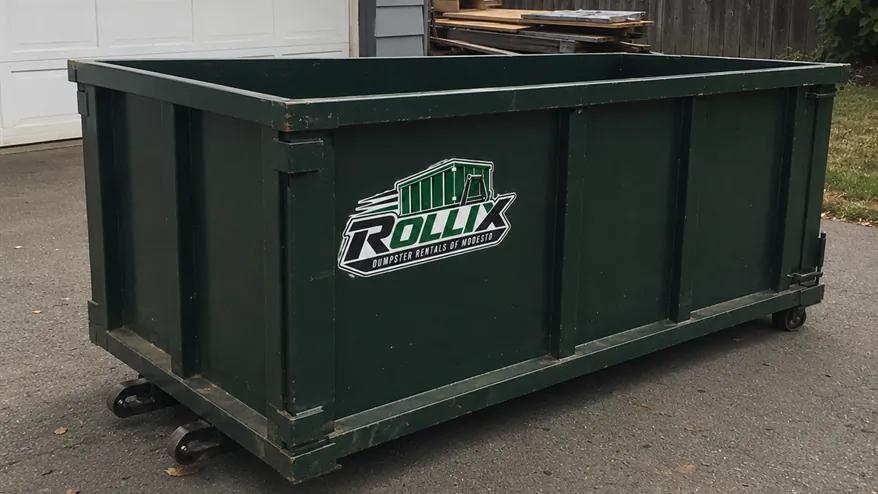
The toss pile is what fills the roll-off dumpster. Everything else leaves the property through a thrift store, recycling center, or stays in the home. Making these decisions early means you will not waste dumpster space on items that could have a second life.
- Keep: items you use regularly or have clear sentimental value.
- Donate: clothing, furniture, toys, and housewares in usable condition.
- Recycle: cardboard, scrap metal, clean plastics, and electronics (handled separately).
- Toss: broken furniture, damaged drywall, old carpet, and truly unusable debris.
Schedule Helpers and Confirm Your Dumpster Dates
A major cleanout moves faster with extra hands. Reach out to family, friends, or neighbors at least a week ahead. Give them a specific date and time window. Even two or three people can cut a full day of work down to a few hours.
Coordinate your helpers with the dumpster rental period. When you call us at (209) 224-9332, our team will confirm the delivery date and the length of the rental. Plan to have your sorting done before the container arrives so you can start loading immediately.
If you are working with a contractor or junk removal crew, confirm their availability for the same window. Having the dumpster on site while the crew is there avoids double handling and keeps debris from piling up on the lawn or driveway.
Separate Items That Need Special Handling
Not everything from a home cleanout belongs in a roll-off dumpster. Common household items like paint, motor oil, pesticides, batteries, and cleaning chemicals are usually classified as hazardous and require separate disposal. Tires and large appliances containing refrigerants often have their own rules as well.
Set these items aside in a designated area away from the main toss pile. Check with the City of Modesto or Stanislaus County for household hazardous waste drop-off locations and accepted materials. Many communities hold collection events throughout the year.
Electronics such as old televisions, computer monitors, and printers contain components that should be recycled rather than landfilled. Some recyclers in the Modesto area accept e-waste at no charge. Separating these items before the cleanout day prevents last-minute scrambling and keeps the loading process moving.
Items to Set Aside Before Loading
Create a staging area for materials that require a different disposal path. This keeps them out of the dumpster and out of your way while you work. Common examples include paint cans, solvents, fluorescent tubes, propane tanks, car batteries, and any container marked with a hazard warning.
When in doubt about a specific item, call us before the cleanout. We can talk through what typically belongs in a roll-off container and what should go elsewhere. Policies vary by material type and local regulation, so a quick conversation saves time and potential fees.
Gather Tools and Safety Gear in Advance
A cleanout is physical work. Having the right tools on hand before the dumpster arrives keeps everyone safe and productive. At minimum, gather heavy-duty work gloves, closed-toe shoes or boots, safety glasses, and dust masks. Old homes can hide dust, mold, and sharp edges.
Tools that speed up the job include a dolly or hand truck for heavy items, furniture straps, box cutters, contractor bags for small debris, and a sturdy broom. If you are breaking down furniture or removing carpet, add a pry bar, hammer, and utility knife to the list.
Set up a hydration station with water and snacks away from the dust. A basic first-aid kit is worth having nearby. Long days of lifting and carrying are easier when you take short breaks and stay fueled.
Load the Dumpster in the Right Order
How you fill a roll-off dumpster directly affects how much debris fits inside. Start with flat, heavy materials at the bottom: old plywood, broken doors, dismantled shelving, and dense construction debris. These items create a stable base and take up little vertical space when laid flat.
Next, place bulky but lighter items like furniture frames, mattresses, and large plastic items. Break down anything you can. Remove legs from tables, disassemble bed frames, and flatten cardboard boxes. The goal is to eliminate air pockets that waste cubic yardage.
Fill gaps with smaller debris as you go. Toss bagged trash, loose drywall pieces, and swept-up debris into the spaces between larger objects. Walk the load down periodically if it is safe to do so, but never climb into the dumpster. Keep all material below the top rail of the container. Overloaded dumpsters cannot be transported safely.
A cubic yard measures three feet by three feet by three feet, or 27 cubic feet. Thinking in those terms helps you visualize how much volume your debris pile represents. The loading order matters more than the total weight for most household cleanouts, though heavy materials like concrete or brick fill volume quickly and reach weight limits faster.
What Goes in Last
Light, irregularly shaped items go on top. Yard waste, old cushions, rolled carpet, and bagged clothing can sit above the denser layers. If you have long items like pipe or lumber, lay them along the sides rather than diagonally across the middle.
Avoid the temptation to toss everything in randomly. A well-loaded dumpster holds more debris, which means fewer trips and a cleaner worksite. If you are unsure about the loading approach for your specific materials, our team can offer guidance when you call (209) 224-9332.
Plan for the Final Sweep
The last hour of a cleanout is often the messiest. Small debris, dust, and forgotten items tend to scatter across the floor once the large pieces are gone. Reserve time at the end for a thorough sweep of every room, closet, and corner you worked through.
Keep a few empty contractor bags handy for this final pass. Walk the property with a flashlight to spot nails, screws, or broken glass that a broom might miss, especially if you removed carpet or drywall. A shop vacuum helps with fine dust on concrete or wood subfloors.
Once the dumpster is full and the site is clean, do a final walkthrough with anyone who helped. Confirm nothing valuable ended up in the toss pile by mistake. Then call to schedule the pickup. The container leaves and you are left with a cleared-out space ready for its next chapter.
When a Cleanout Turns Into a Bigger Project
Some home cleanouts reveal more work than expected. Water damage behind old paneling, outdated wiring, or a cracked foundation can turn a weekend declutter into a renovation. If that happens, having the dumpster already on site is an advantage.
Larger projects like full property cleanouts often generate mixed debris that includes construction material, yard waste, and household junk. The same sorting and loading principles apply, but the volume and weight increase. Planning for the larger scope from the start prevents having to swap containers mid-project.
For whole-home cleanouts where every room needs attention, breaking the work into phases helps. Tackle one floor or one category (like all closets) at a time. Our team can talk through timing and container placement so the dumpster works for each phase without blocking access.
Common Questions About Home Cleanout Preparation
Every cleanout raises questions that are not obvious until you are in the middle of the work. Knowing the answers ahead of time keeps the project on track.
One frequent concern is where to place the dumpster. A driveway is usually the simplest spot, but a container on the street may require approval from the City of Modesto. Check local rules before delivery day. Another common question involves weight: household debris like furniture, boxes, and carpet is generally lighter than construction debris, but the total adds up quickly. Estimating volume in cubic yards gives a better picture than guessing by weight.
If you are tackling a home cleanout for the first time, start small. Pick one room, sort everything, and load the dumpster methodically. The rhythm you develop in the first space carries through the rest of the house. For answers to other questions before you begin, our FAQ page covers rental basics, and you can always call us directly.