Key takeaways
- Separating materials like wood, metal, and concrete from general trash makes recycling and disposal more efficient.
- Keeping hazardous items such as paint, solvents, and asbestos out of your dumpster is a safety and legal requirement.
- California has construction and demolition waste diversion rules that affect most projects, so check with your local building department.
- A clear plan for waste streams before you start demolition saves time and reduces confusion on site.
Why construction waste management matters
A construction or demolition project generates a wide mix of materials. Without a plan, the pile grows fast and becomes harder to manage. Sorting debris as you work keeps the site safer, reduces disposal costs, and helps meet California's waste diversion goals.
For homeowners and contractors in Modesto, a clean site also means fewer delays. When materials are separated correctly, the right items go to recycling facilities and only true trash goes to the landfill. This approach is not just good practice: it is built into California's building standards.
Common types of construction and demolition debris
Most job site waste falls into a few broad categories. Recognizing them early helps you decide which materials can share a container and which need special handling.
- Wood: framing lumber, plywood, pallets, and trim. Untreated wood can often be recycled or chipped.
- Metals: copper wire, steel beams, aluminum siding, and rebar. Metals have high recycling value and should be kept separate.
- Concrete, brick, and asphalt: heavy materials that are commonly crushed and reused as aggregate.
- Drywall and plaster: gypsum drywall can sometimes be recycled if kept dry and free of contaminants.
- Cardboard and paper: packaging waste that is easy to recycle when kept clean and dry.
- Glass: windows and plate glass require careful handling and separate recycling streams.
- Plastics: vinyl siding, PVC pipe, and plastic sheeting. Recycling options vary by material type.
Heavy debris and weight considerations
Concrete, brick, dirt, and asphalt are much heavier than other debris. A container loaded with these materials reaches its weight limit long before it looks full. Spreading heavy debris evenly across the container and mixing it with lighter material only when appropriate helps keep the load safe for transport.
The volume of a dumpster is measured in cubic yards. A cubic yard is a cube three feet on each side, or 27 cubic feet. Weight, not just volume, determines how much a container can legally carry on the road. Call us to talk through the types of debris your project will produce so we can help you choose the right approach.
Separating recyclables on site
The simplest way to boost recycling is to set up designated areas or containers for each material stream. Even on a small residential project, a few labeled piles or bins make a big difference. Wood in one spot, metal in another, and general trash in a third keeps materials from getting mixed.
Mixed debris is harder and more expensive to recycle. When recyclable material is contaminated with trash, the entire load may end up in the landfill. Taking a few minutes each day to sort as you go prevents that loss and often reduces the total number of hauls you need.
Hazardous materials: what stays out of the dumpster
Certain materials are never allowed in a standard roll-off dumpster. These items require separate handling through a hazardous waste hauler. Putting them in with general construction debris creates safety risks for everyone who handles the load and can lead to rejected shipments or fines.
- Asbestos: common in older flooring, insulation, and siding. Requires professional abatement.
- Lead-based paint: found in homes built before 1978. Paint chips and dust are regulated.
- Solvents, thinners, and adhesives: flammable and toxic. Take them to a household hazardous waste facility.
- Paints and stains: liquid paint is usually banned from landfills. Dry out small amounts or use a dedicated collection site.
- Batteries and electronics: contain heavy metals and corrosive materials. Recycle them separately.
- Fluorescent tubes and ballasts: may contain mercury or PCBs. Handle according to local rules.
- Treated wood: pressure-treated lumber contains chemicals that leach into soil. Dispose of it as directed by your local facility.
What to do if you find hazardous materials
If you uncover suspect materials during demolition, stop work in that area and keep the material contained. Contact a hazardous waste hauler for guidance on testing and removal. Never assume a small amount is harmless. For questions about what belongs in your rental container, our team can walk you through the basics when you call.
California's construction and demolition waste diversion rules
California has adopted construction and demolition waste diversion requirements under the CALGreen building code. These rules apply to many new construction, renovation, and demolition projects. The goal is to keep a significant portion of job site debris out of landfills by redirecting it to recycling and reuse facilities.
Compliance typically involves creating a waste management plan that identifies the materials your project will generate and how each will be handled. Some jurisdictions require you to submit the plan when applying for a building permit. Others ask for documentation after the project is complete showing where the debris went.
Confirming what applies to your project
The specific requirements vary by city and county. The City of Modesto may have its own thresholds, paperwork, or approved recycling facilities. Before you start, contact your local building department and ask what waste diversion rules apply to your permit. They can tell you which forms you need and what documentation to keep.
Keeping good records is the easiest way to stay compliant. Save weight tickets, receipts from recycling centers, and any paperwork from your hauler. If your project is subject to CALGreen or local diversion rules, those records are your proof.
Planning your waste management before you start
The right time to think about debris management is before demolition begins. Walk through the project and estimate what materials you will remove. Identify which items can be recycled, which are hazardous, and which are just trash. That simple list becomes your sorting guide for the crew.
Decide where containers or piles will sit. Keep the recycling area accessible but out of the main work path. If you are using a roll-off dumpster, think about placement: a spot on level ground with overhead clearance makes loading easier and safer. For projects in Modesto, we can help you think through container placement when you call us at (209) 224-9332.
Working with a dumpster rental on a construction site
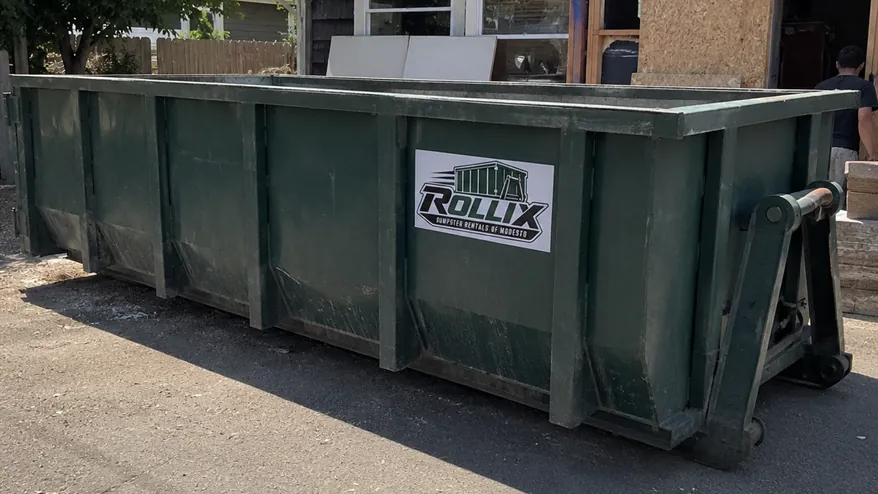
A roll-off dumpster keeps debris contained and makes hauling efficient. Load heavy materials first and spread them across the floor of the container. Fill in with lighter debris on top, keeping everything level with the top rail. Overfilling creates a safety hazard during transport and may result in the load being rejected.
If your project spans several weeks, you may need multiple hauls or a swap-out service. The pace of demolition, the types of materials, and the container size all affect how often you need a pickup. For more on how dumpster sizes work, see our Dumpster Sizes page. If you are tackling a larger build or teardown, our Construction Dumpster Rental page has additional guidance.
Keeping the job site safe and organized
A messy site slows work and increases the chance of injury. Assign someone to walk the site at the end of each day and clear debris into the right containers. Nails, sharp metal edges, and broken glass are common hazards that belong in the dumpster, not on the ground.
Cover containers overnight if rain is in the forecast. Waterlogged debris is heavier and can cause issues at the recycling facility. A tarp also keeps lightweight material like insulation and plastic sheeting from blowing around the neighborhood. Small habits like these keep your project on good terms with neighbors and local inspectors.
For additional tips on running a smooth construction cleanup, read our Dumpster Rental Tips for Construction Projects article. And if you have questions we have not covered here, our FAQ page may have the answer.